Lung SPORE Clinical Trials
The Fred Hutch Lung SPORE will support two upcoming clinical trials opening for patient enrollment in 2026. Our clinical trials will feature new treatments in immunotherapy, such as checkpoint inhibitors and adoptive T cell therapy, intended to help patients’ own immune systems fight their cancer more effectively.
Lung Clinical Trials
- A Phase II trial of SX-682 (CXCR1/2 inhibitor) and atezolizumab in patients with advanced NSCLC who have received prior chemotherapy and immune checkpoint inhibitor therapy and have progressed on this therapy.
- Phase I study of autologous CD8+ and CD4+ Transgenic T cells expressing high affinity KRASG12V mutation-specific T cell receptors in participants with advanced NSCLC harboring a KRAS G12V mutation.
Research Studies
Fred Hutch patients can also participate in our Lung SPORE research studies by donating small samples of blood, plasma, or lung biopsy tissue during the course of their treatment. These specimens and patient data (such as age and tumor type) can be critically important in:
- Studying mechanisms of disease
- Analyzing patient outcomes
- Identifying potential therapies for lung cancer treatment
Our researchers use this information to help design future clinical trials.
Talk to your doctor about how you can contribute to lung cancer research.
Find a Doctor
Our Lung SPORE investigators are treating physicians at Fred Hutch Cancer Center and University of Washington.
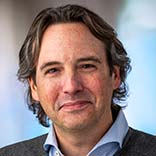
McGarry Houghton, MD
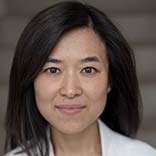
Christina Baik, MD, MPH
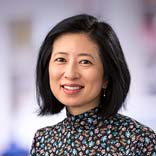
Sylvia Lee, MD
"I'm most excited about the opportunities to finally offer lung cancer patients in Seattle the very best science coming out of Fred Hutch. We can now take the best homegrown ideas from our labs and bring them to the clinic, bypassing the shortcomings of current therapies."
Dr. McGarry Houghton
Our Patient Advocates
The inclusion of patient advocates is a crucial element of our Lung SPORE. Our experienced patient advocates provide assurance that our clinical trials are designed to provide a meaningful patient impact. They also assist with outreach to the lung cancer patient community and assist with recruitment of patients to our research protocols and clinical trials.
Janet Freeman-Daily
Ms. Freeman-Daily is a metastatic lung cancer patient diagnosed in May 2011. Her self-advocacy enabled her to obtain biomarker testing that found the ROS1 gene alteration driving her tumor. This led her to enroll in a clinical trial at the University of Colorado, where she became a patient advocate on their Lung SPORE. Janet, a retired Boeing engineer in the Seattle area, now focuses on translating the science and experience of lung cancer for others. She blogs at Gray Connections, is a leader of The ROS1ders patient group, co-hosts #LCSM (Lung Cancer Social Media) Chat on Twitter, speaks at international cancer conferences, and is helping to develop the IASLC STARS (Supportive Training for Advocates in Research and Science) program.
Pam Moffitt
Ms. Moffitt is a >15-year survivor of Stage IV NSCLC squamous cell. She received her treatment at the Mayo Clinic in Rochester and initially became involved in advocacy programs there. Since that time, Pam has become involved in numerous review panels, including for the Department of Defense and the FDA. She is particularly interested in the informed consent process. Ms. Moffitt also is an advocate of lung cancer early detection programs and maintains an interest in the emotional cost that undiagnosed lung cancer can have on patients enrolled in lung cancer screening protocols.
Larry Mitchell
Mr. Mitchell is a long-term survivor of small cell lung cancer (SCLC), a disease subtype for which there are few patient advocates. Mr. Mitchell brings his experience in this arena to assist the guidance of Project #3, which seeks to perform a clinical trial employing a novel therapeutic for SCLC patients.
Patient Resources
Prospective lung cancer patients, their families and their caregivers need information on cancer, treatment options, access to care and supportive services. The resources listed below are a good place to start, along with Fred Hutch's Patient Treatment & Support information.