Keynote Speaker
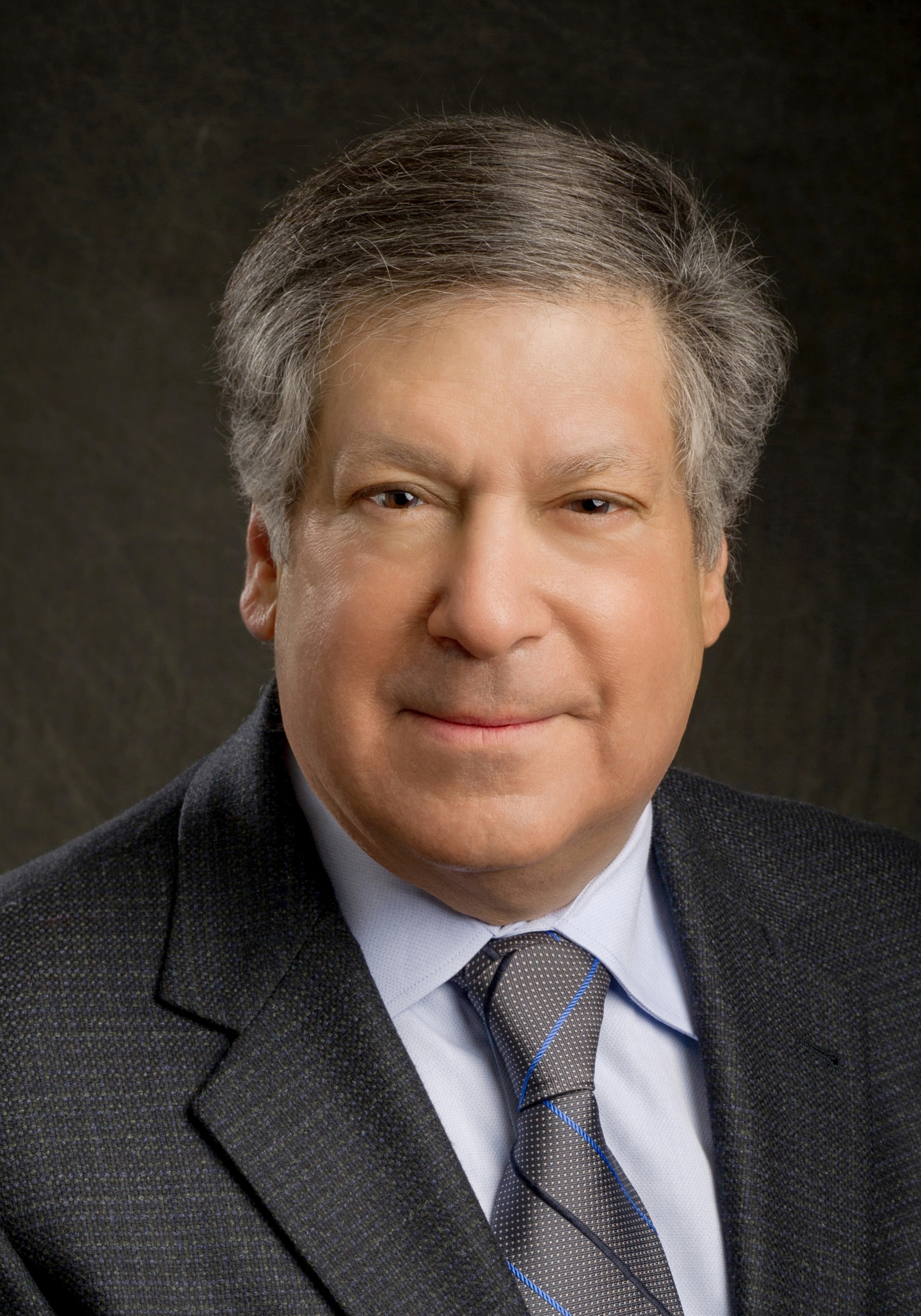
Robert Schreiber, PhD
Andrew M. and Jane M. Bursky Distinguished Professor, Pathology & Immunology, WashU Medicine
Director, Center for Human Immunology and Immunotherapy Programs, WashU Medicine
Co-Leader, Tumor Immunology Program, Siteman Comprehensive Cancer Center, WashU Medicine
Director, T32 Training Grant in the Immunobiology and Cell Biology of Cancer (NCI), WashU Medicine
Featured Presenters
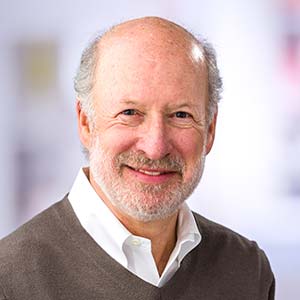
Frederick Appelbaum, MD
Executive Vice President, Fred Hutch
Professor, Clinical Research Division, Fred Hutch
Metcalfe Family/Frederick Appelbaum Endowed Chair in Cancer Research, Fred Hutch
Professor, Division of Hematology and Oncology, University of Washington
Associate Director for Clinical Research, Fred Hutch/University of Washington/Seattle Children’s Cancer Consortium
Dr. Fred Appelbaum studies the biology and treatment of leukemias, lymphomas and other blood cancers and sees patients with these disorders. He has made numerous landmark contributions to his field. Notably, he helped develop Fred Hutch’s renowned program in blood stem cell transplantation. He also participated in Fred Hutch’s pioneering work to develop targeted antibody-based cancer therapies.
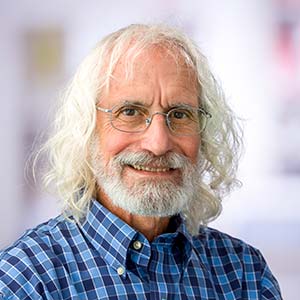
Philip Greenberg, MD
Professor & Head, Program in Immunology, Translational Science and Therapeutics Division, Fred Hutch
The Rona Jaffe Foundation Endowed Chair, Fred Hutch
Professor of Medicine & Immunotherapy, University of Washington
Dr. Phil Greenberg is an internationally-recognized expert in cancer immunotherapy, a form of therapy that aims to harness the power of immune cells to eliminate cancer. Dr. Greenberg's early discoveries showed how to target diseases with immune T cells and helped drive this now burgeoning field.
Symposium Speakers
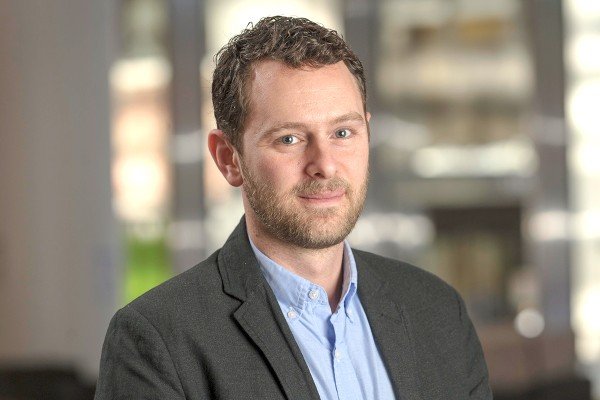
Alan M. Hanash, MD, PhD
Associate Member, Memorial Sloan Kettering
Attending Physician, Adult Bone Marrow Transplant Service, Department of Medicine, Memorial Sloan Kettering
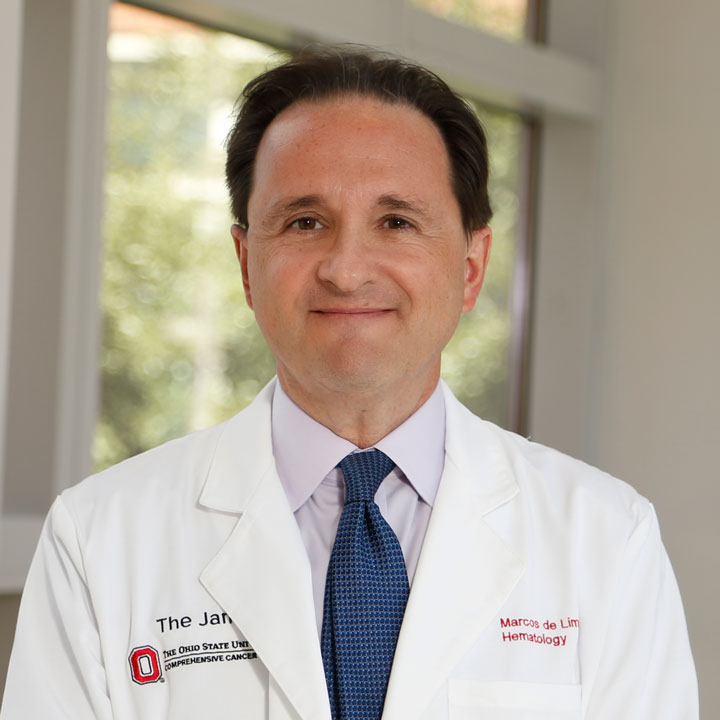
Marcos de Lima, MD
Professor, The Ohio State University College of Medicine
Physician, Hematology-Oncology, The Ohio State University Comprehensive Cancer Center – Arthur G. James Cancer Hospital and Richard J. Solove Research Institute
Director, Blood and Bone Marrow Transplant and Cell Therapy Program, Ohio State University Comprehensive Cancer Center
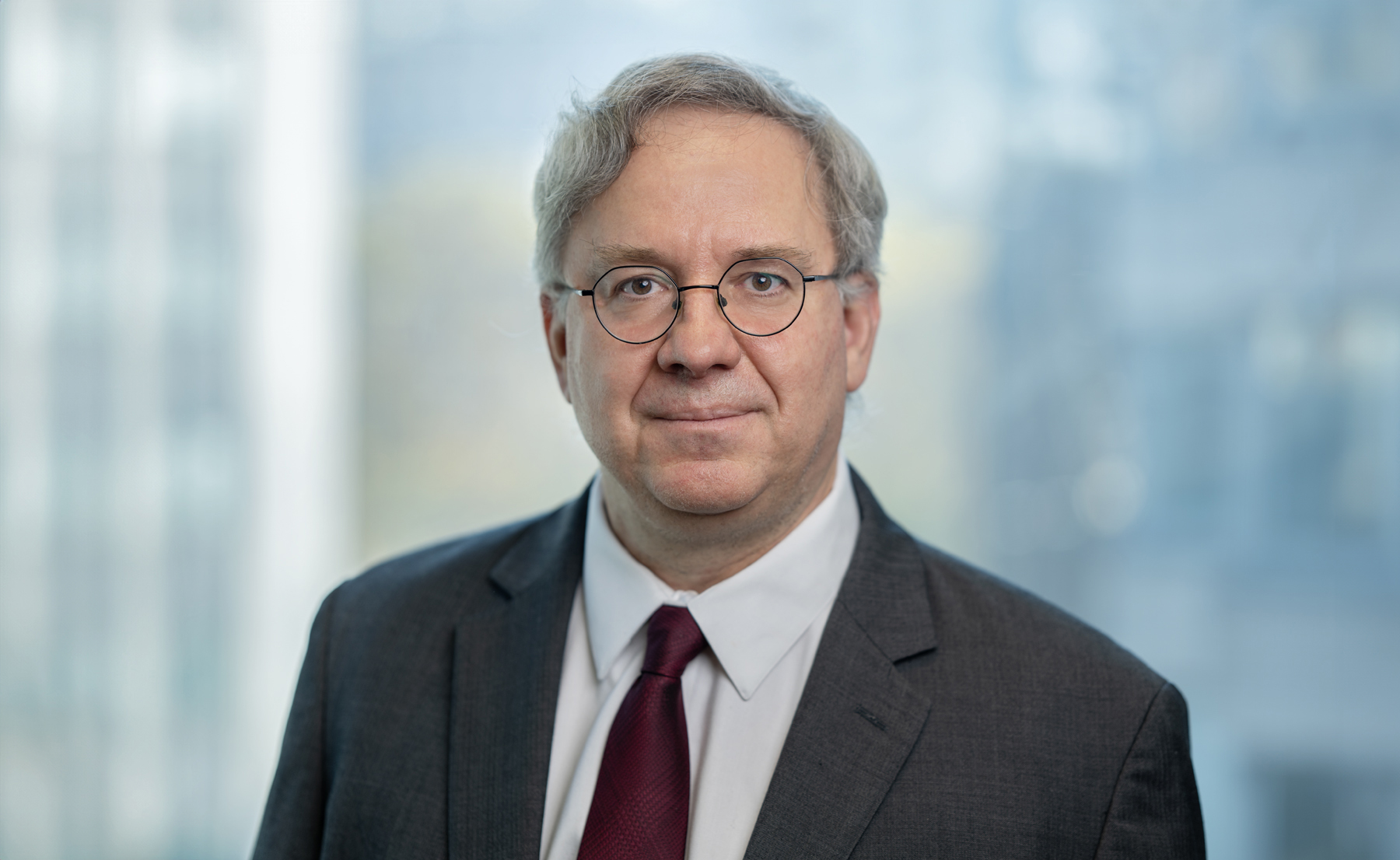
Ivan Maillard, MD, PhD
Head of the Division of Hematologic Malignancies, Department of Medicine, Memorial Sloan Kettering Cancer Center
Attending Physician, Memorial Sloan Kettering Cancer Center
Paul G. Thomas, PhD
Professor and Program Head, Immunology and Vaccine Development Program, Vaccine and Infectious Disease Division, Fred Hutch
Bezos Family Distinguished Scholar in Viruses and Vaccines, Fred Hutch
Dr. Paul Thomas is a viral immunologist with a focus on respiratory viruses. He integrates quantitative, computational and empirical methods to understand how our immune systems respond to infection. Dr. Thomas focuses immune regulation of health and disease, including tissue injury during infection, cancer development and resolution, and effective anti-pathogen responses.
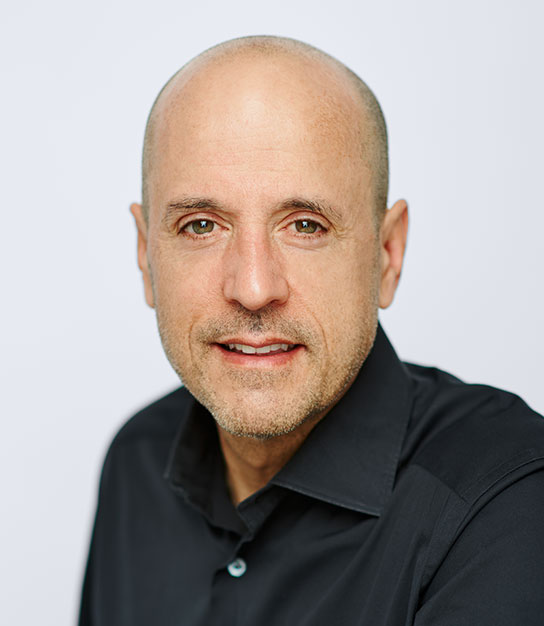
Andrew Scharenberg, MD
Founder and CEO, Umoja Biopharma
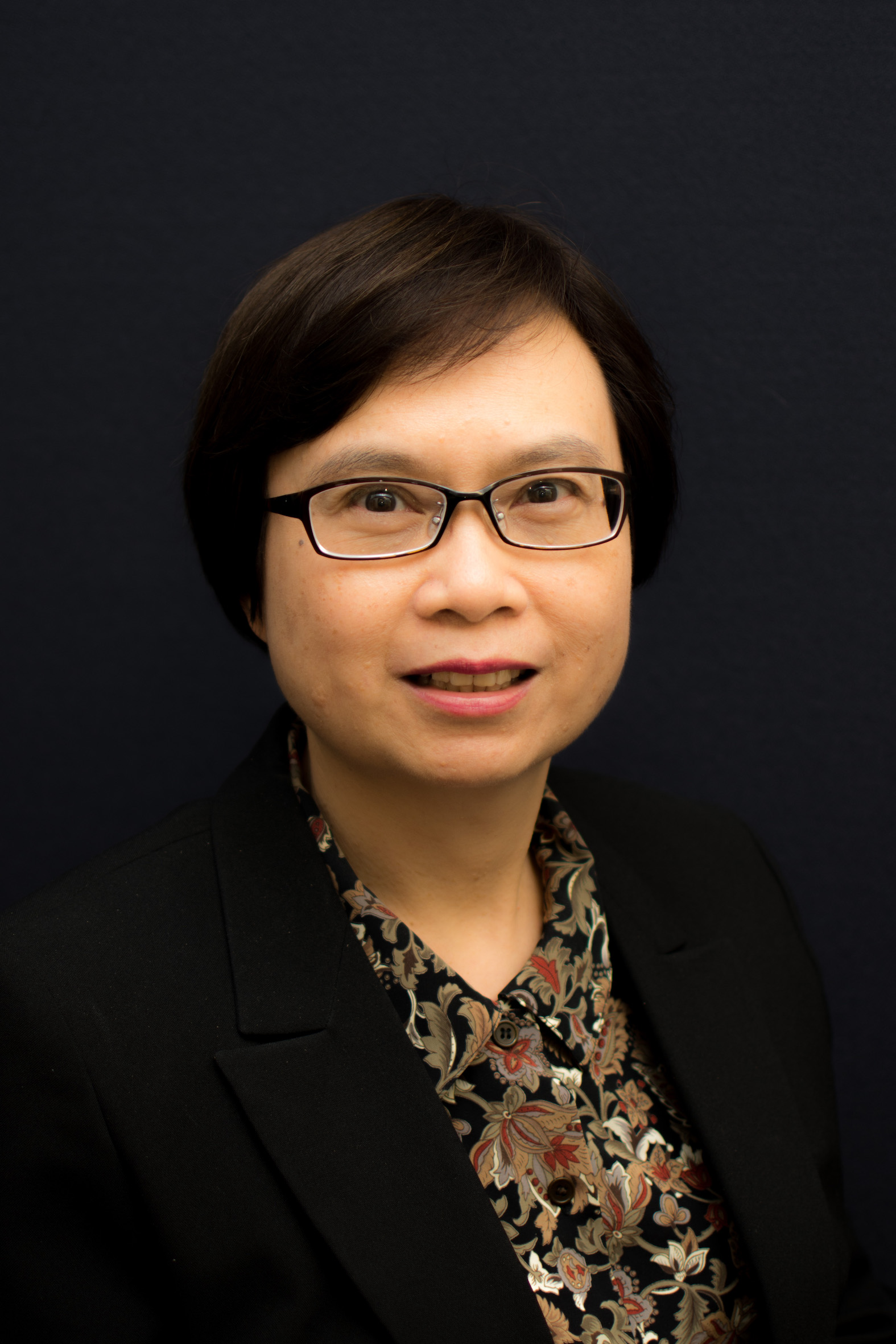
Phoebe Joy Ho, MBBS, DPhil, FRACP, FRCPA
Alan Ng Professor of Haematology, University of Sydney
Head, Institute of Haematology, Royal Prince Alfred Hospital
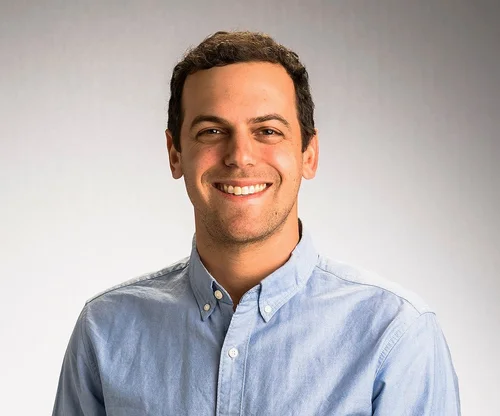
Evan Weber, PhD
Assistant Professor, University of Pennsylvania, Perelman School of Medicine, Department of Pediatrics, Division of Oncology
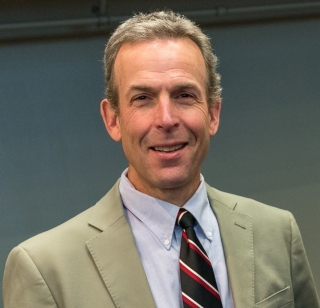
K. Christopher Garcia, PhD
Professor, Department of Molecular and Cellular Physiology, Stanford University School of Medicine
Professor, Department of Structural Biology, Stanford University School of Medicine
Younger Family Chair, Stanford University School of Medicine
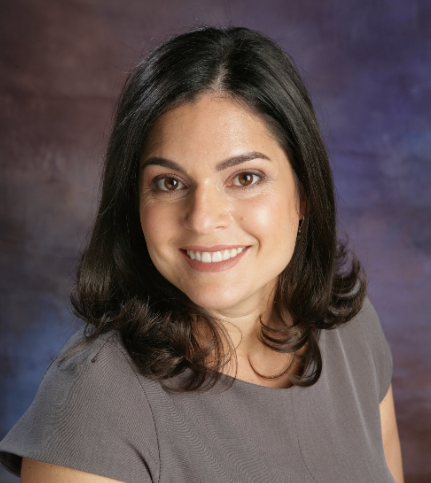
Eneida R. Nemecek, MD, MS, MBA
Professor of Medicine, School of Medicine, Oregon Health & Science University
Professor of Pediatrics, School of Medicine, Oregon Health & Science University
Director, Pediatric Bone Marrow Transplant Program, Doernbecher Children’s Hospital
Associate Director of Clinical Research, OHSU Knight Cancer Institute, School of Medicine
Nancy Jaggar Blount Endowed Professor of Pediatric Oncology, Oregon Health & Science University
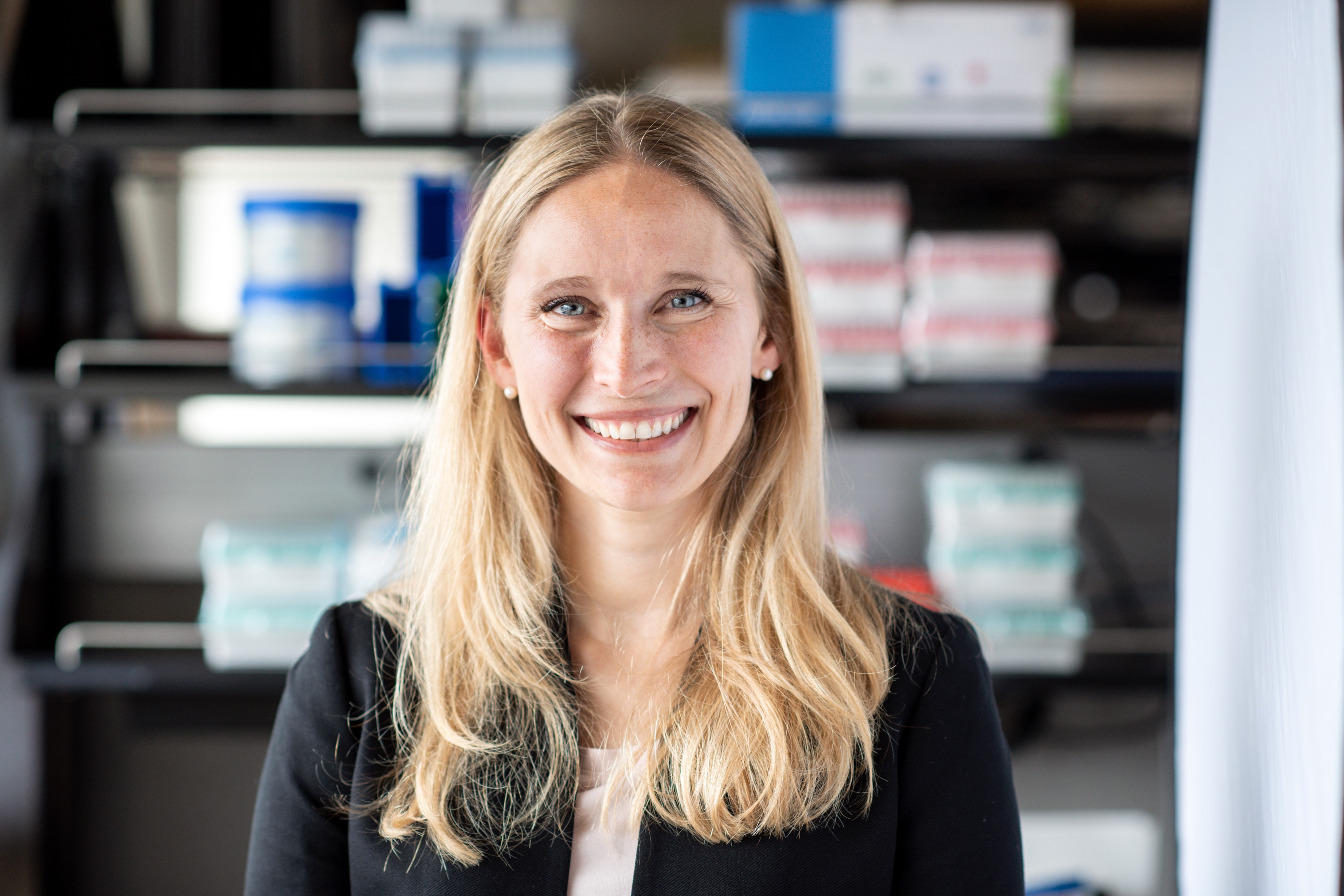
Julia Carnevale, MD
Co-Director, PICI Center, University of California, San Francisco
Assistant Professor, Hematology and Oncology, Department of Medicine, University of California, San Francisco
Attending Physician, Gastrointestinal Medical Oncology Clinic, University of California, San Francisco
Affiliate Investigator, Gladstone Institutes
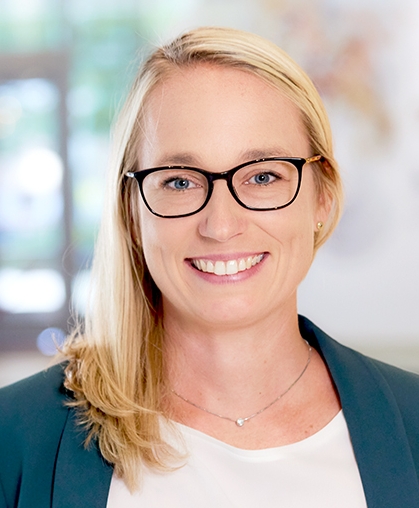
Stefani Spranger, PhD
Associate Professor of Biology, Koch Institute for Integrative Cancer Research, MIT
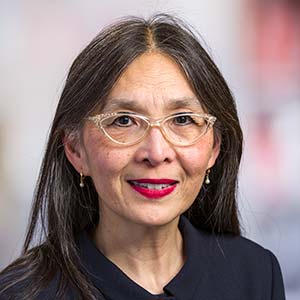
Effie Wang Petersdorf, MD
Professor, Translational Science and Therapeutics Division, Fred Hutch
Medical Director, Unrelated Donor Transplant Program, Fred Hutch
Madeline Dabney Adams Endowed Chair in AML Research, Fred Hutch
Professor of Medicine, Division of Hematology and Oncology, University of Washington School of Medicine
Dr. Effie Wang Petersdorf is an oncologist who studies how genetic factors influence the success of stem cell transplants. She pioneered molecular methods to compare differences between transplant donors and recipients in a key set of genes known as human leukocyte antigen, or HLA, genes.
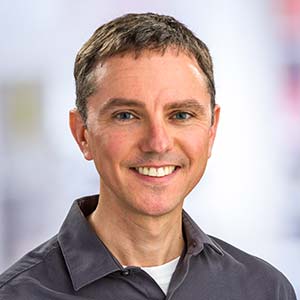
Brian Till, MD
Associate Professor, Translational Science and Therapeutics Division, Fred Hutch
Affiliate Investigator, Clinical Research Division, Fred Hutch
Attending Physician, Immunotherapy Service, Fred Hutch
Attending Physician, Stem Cell Transplant Service, Fred Hutch
Associate Professor of Medicine, University of Washington
Dr. Brian Till develops new treatments for lymphoma by genetically engineering a patient's own T cells so they can more effectively attack cancer. Dr. Till's research involves making synthetic receptors known as chimeric antigen receptors, or CARs, that home in on lymphoma cells. He led the first published trial testing CAR T cells as a treatment for lymphoma patients.
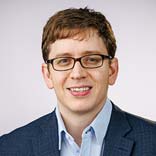
Aaron Ring, MD, PhD
Associate Professor, Translational Science and Therapeutics Division, Fred Hutch
Anderson Family Endowed Chair for Immunotherapy, Fred Hutch
Dr. Aaron Ring works at the intersection of protein engineering and systems immunology to identify new therapeutic targets for cancer and to create drugs against them. His work has resulted in the development of several innovative cancer therapeutics now being tested in clinical trials, including engineered cytokines and immune receptors.
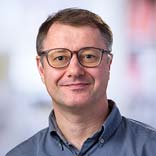
Evan Newell, PhD
Professor, Immunology and Vaccine Development Program & Biostatistics, Bioinformatics and Epidemiology Program, Vaccine and Infectious Disease Division, Fred Hutch
Joint Professor, Herbold Computational Biology Program, Public Health Sciences Division, Fred Hutch
Dr. Evan Newell is an immunologist who develops and employs new technologies for accurately identifying specific biological signatures of human health and disease, including cancer and infectious diseases. He and his team work with blood and tissue samples, using mass cytometry and other single-cell analysis methods to better understand how the specificities of immune T cells influence their roles in clinically productive responses against pathogens or cancers.
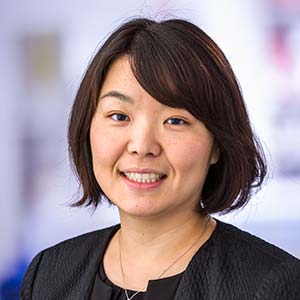
Masumi Ueda Oshima, MD, MA
Associate Professor, Clinical Research Division, Fred Hutch
Medical Director, Inpatient Immunotherapy Service, Fred Hutch
Assistant Medical Director, Inpatient Blood and Marrow Transplantation, Fred Hutch
Associate Professor, Division of Hematology and Oncology, University of Washington School of Medicine
Dr. Masumi Ueda Oshima treats patients with leukemia, myelodysplastic syndrome and graft-vs.-host-disease. She specializes in blood stem cell and bone marrow transplantation. Her clinical research focus is on the prevention of graft-vs.-host disease.